The Dark Truth Behind Diamonds
Diamonds are a staple of jewelry, representing luxury, commitment, and everlasting love. This being said, there is an ominous history behind the production of these beloved gemstones. A history full of blood, unethical conditions, human rights abuse, and crime. This article aims to expose some of these hidden truths.
In my previous article, “Why are Diamonds so Darn Expensive?” (which you can find & read by clicking on my name), I went into a multitude of reasons behind the steep prices of diamonds. The darkest of these factors is the shifty and illegal market manipulation committed by the forward company, De Beers. This was not the only crime committed by this company, nor was it the only underhanded criminal activity that has historically supported the diamond industry.
To start, I will get into more detail about the market manipulation that De Beers partook in and some of the consequences of that.
De Beers was the top dog of the diamond industry for a very long time, from 1888 to about 1990. At one point, they owned and controlled an estimated 75-85% of the rough diamond supply and held a monopoly over the diamond industry for most of the 20th century. At De Beers’ peak, they owned 90% of the diamond market share. De Beers is also a big reason behind the high costs of these gems, as they carefully controlled the supply chain of diamonds to create artificial scarcity, allowing them to increase the prices of their product. They also had wildly successful marketing campaigns that made diamonds the go-to engagement and wedding stones, as well as setting the precedent of diamonds being a necessity for the person you love.
Due to their market dominance, De Beers (at the time) had very few competitors and was able to push the narrative of diamonds being far rarer than they actually were. With so little competition, nothing was stopping De Beers from carefully controlling the price of their gems, keeping them high and, with no other options, people were not only willing but eager to cough up their savings to meet the insane prices.
While they no longer control as much of the market, as of 2021, De Beers still maintains control of approximately 35-40% of rough diamond supply, as well as still having a large supply of uncut diamonds that would give them the edge over competitors in the event of a price war.
Controlling the supply of a product and creating artificial scarcity is a form of market manipulation and is illegal. Along with that, their monopoly over the diamond industry raised significant legal and ethical concerns/questions.

The De Beers diamond monopoly over the diamond industry was scrutinized in terms of the company's compliance with Antitrust laws. Antitrust laws is defined by Wikipedia as “In the United States, antitrust law is a collection of mostly federal laws that govern the conduct and organization of businesses in order to promote economic competition and prevent unjustified monopolies.” As you may be able to see, De Beers was walking a fine legal line between just having market dominance and having anti-competitive behaviors that hindered competitors and innovation in the market. In the 2000s, De Beers was investigated for anti-competitive practices by the European Commission. This investigation highlighted the difficulty De Beers seemed to have in maintaining compliance with competition laws.
The next thing I want to get into is blood diamonds. The Wikipedia definition for blood diamonds is “Blood diamonds are diamonds mined in a war zone and sold to finance an insurgency, an invading army's war efforts, terrorism, or a warlord's activity. Blood diamonds are also commonly referred to as “Conflict Diamonds”.
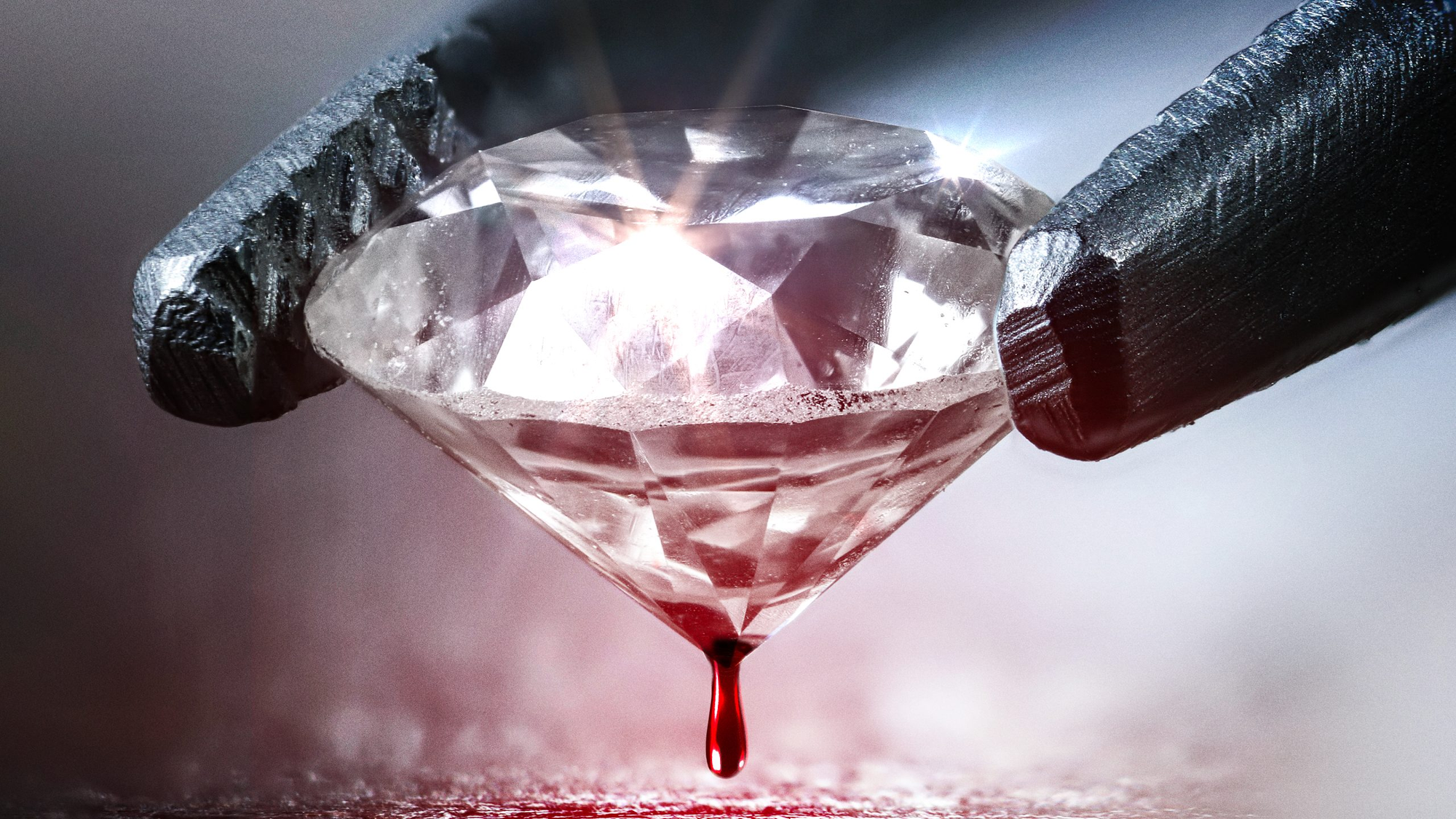 Many began to raise concerns about how ethical the diamonds they were buying were. Questions were raised regarding where and how De Beers sourced its diamonds and what the conditions of its miners and workers were.
The diamond industry has long since been supported by blood diamonds and human rights violations. The purchase of blood diamonds supported and fueled civil wars, and the conditions of miners are frankly inhumane, with many being underpaid or even enslaved. The wars have led to mass killings, child slavery, and exploitation. On top of the allegations of De Beers selling and trading in blood diamonds, there are long lists of other human rights violations they have committed, such as unethical working conditions. If that wasn’t already bad enough, allegedly, De Beers had originally gained control of the diamond supplies through methods that included murder and kidnapping.
The entire diamond industry is built on the back of human suffering, and it's not just De Beers that is guilty of unethical practices. Some of the many unethical practices of the industry include human rights violations such as forced labor and forced child labor.
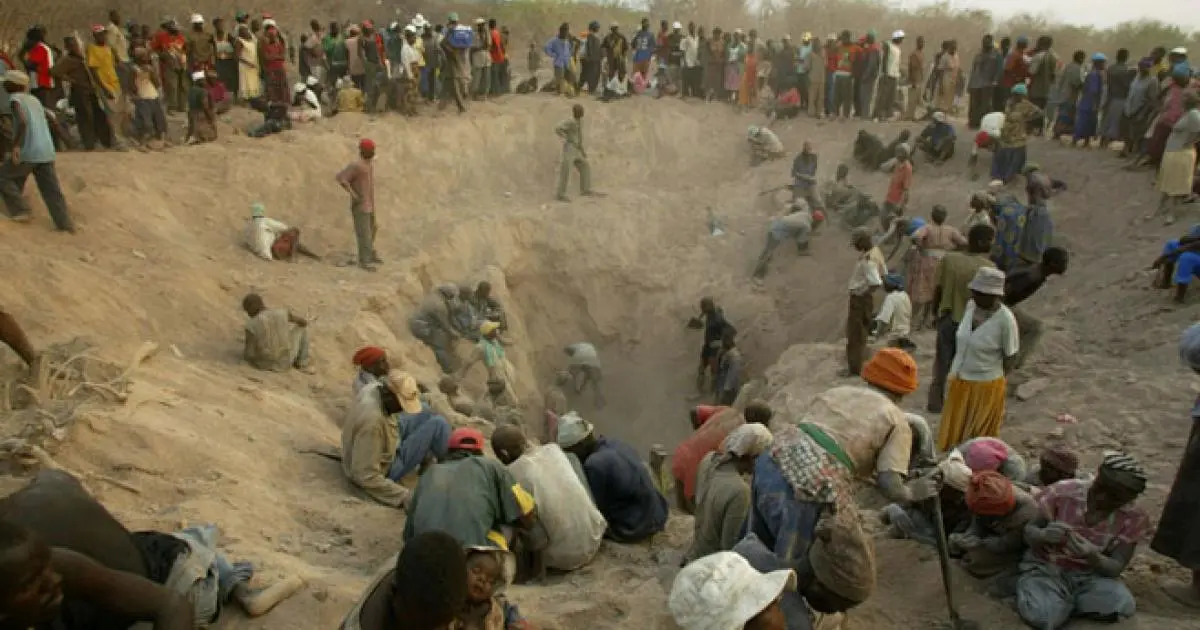 Many miners face human rights abuses in the form of underpayment. These miners are kept in poverty due to the poor pay, while those in charge reap the rewards of their labor. The miners aren't often paid enough to support their families. There are 13 million diamond miners in the world, a majority of whom are in Africa and have, on average, families of 5 to support on their pathetic paychecks.
Along with experiencing abuse in the workplace, some miners have to endure things like ill treatment, torture, violence, and sexual assault.
Some miners ended up in this situation as they were forced by soldiers to work without pay and would have violence used against them if they refused. These armed forces were also reported to have committed acts of sexual violence against the women in the mining communities.
An example of the unethical practices can be found in the Human Rights Watch, “Take what’s happening right now in the Marange diamond fields, eastern Zimbabwe. Residents living near the diamond fields have suffered forced labor, torture, and other abuses. Just two weeks ago, protests by villagers against the alleged looting of diamond revenue by state-owned companies turned violent. Residents say that security force personnel beat women with batons, fired live ammunition into the air, and fired tear gas canisters—resulting in three children being hospitalized.”
Many miners have ended up in arrangements of modern slavery. You can see this in Diamonds For Peace, who said, “According to our situation analysis conducted in Liberia, many artisanal diamond miners (artisanal mining license holders) and diggers who actually dig the land don’t have money to run their own mining activities. What happens is that they depend on local investors who provide (a part of) the funds or tools/equipment for their mining activities. Those local investors claim the rights to all the mined diamonds and buy them at their favorite asking low price, even if they don’t have a proper license to trade diamonds. In this way, the miners and diggers don’t get a fair share from the diamonds they mine and have to keep depending on the investors.”
What is being done to put a stop to these human rights violations and this trade in conflict diamonds? You may ask. Well, in short, not enough.
There have been moves made to source and supply more ethical diamonds that aren't from conflict zones, and there has been a public push for diamond companies, like De Beers, to be much more up front as to how they source their diamonds. This, in turn, forces the hands of diamond companies to be more mindful of where they're getting their diamonds from and how ethical their mining practices are. But this small act isn’t enough to put a stop to the mistreatment of many.
The Kimberly Process Certification Scheme (KPCS) is a major example of the fight to put a stop to blood diamonds. Wikipedia defines the Kimberley Process as “The process established in 2003 to prevent ''conflict diamonds" from entering the mainstream rough diamond market.” Wikipedia also states that “In order for a country to be a participant, it must ensure that any diamond originating from the country does not finance a rebel group or other entity seeking to overthrow a UN-recognized government, that every diamond export be accompanied by a Kimberley Process certificate and that no diamond is imported from, or exported to, a non-member of the scheme.” The KPCS has helped a bit, but in the years since it was started, it has become clear that there are gaping holes in the amendment of the scheme, and it is doing little to stop the issues as a whole.
Even in the areas protected by the Kimberly Process, locals have reported still feeling unsafe, harassed, and mistreated. These protected areas often have systems that only allow entry with sufficient ID, but this just leads to the hassle of natives, who can be arrested if they are not carrying full ID. Private security officers enforcing these rules have been known to use brute force and violence towards those within the diamond mines. One victim described his arrest as: “The guards handcuffed me and my colleagues and ordered us to sit down. They set vicious dogs on us, which mauled us for about 10-15 minutes as they watched, leaving us severely injured.”
Keep in mind that this happened in a supposedly protected area. So clearly, the Kimberly Process is deeply flawed and needs a lot of intervention from many people to truly work.
The Kimberly Process is too narrow and has too many plot holes to properly protect diamond miners and their rights. However, it's not just up to the governments that are part of the KPCS to manage the ethics; it also falls on the companies buying the diamonds to ensure proper treatment of their workers and proper sourcing of their product.
Organizations like IMPACT have been made to help manage human rights and the protection of those in mining areas. They do this by partnering with the Kimberly Process and by doing their own investigations into protecting miners. You can check them out here: IMPACT website.
Something else that helped is that with more competitors appearing towards the end of the 20th century, it pushed the big dog companies like De Beers to be more ethical in their sourcing, due to there now being other options for consumers. This, as a whole, has made modern-day diamond purchases a lot more of a sure bet when it comes to upholding ethics.
There is still a lot of dark stuff going on behind the scenes of the diamond industry, but it's nowhere near as bad as it once was. However, there are other options when it comes to buying diamonds that are far cheaper and far more ethical, such lab lab-grown diamonds. Lab-grown diamonds are 100% real diamonds, just ones made in a much shorter period of time, under artificial conditions.
While lab-grown diamonds are significantly cheaper than natural diamonds, physically, they are virtually indistinguishable as they have all the same properties. The only way to tell them apart is by using specialized equipment.
There are definitely pros and cons to both lab-grown and natural diamonds, so if you are planning to purchase a diamond, I would definitely recommend looking into the differences between the two. A short list of pros and cons includes: the pros of natural diamonds are that they hold their value better, and some think that the millions of years they take to form make them an extra special romantic gift, holding more symbolism. Some of the cons would be the price and the sketchy ethics behind them. As for lab-grown, they are both the cheaper and more ethical option, but this means that some may consider them the budget option, or the option that has less meaning.
“A lab diamond doesn’t say I love you any less than a mined diamond says I love you.” -Beryl Raff, Former CEO of Helzberg Diamonds as reported in JCK Online.
While there are some downsides to lab-grown diamonds, such as the energy it takes to make them and the bias some hold toward them “not being real diamonds” (which they totally are), I personally believe that lab-grown diamonds are the way to go. They are the only way you can 100% confirm the ethics of your gem, and that gives them far more value in my eyes.