Sodium Nourishments: Seasoned with Risks
Salt, also known as sodium chloride (NaCl) is a vital mineral that contains 40% sodium, 60% chloride. It is commonly used for flavorings, preservation and seasoning for food in many forms. As someone who’s fond of salty foods and delicacies, I generally season my dishes with salt for bolder and deep flavours. However, I’m also aware of the harmful risks and hazards I put into my body.
Over 99% of the adult population in the world consume sodium, with many nations exceeding the World Health Organization (WHO) guideline of less than 2 grams of sodium per day. The global average sodium consumption is more than double the amount recommended.
Speaking of which, there’s one nation with massive sodium consumers and where greasy food aligns. That's right, it’s the U.S. Americans consume 3,400 - 3,600mg of sodium daily, which is more than 50% of the recommended amount. Over 70% of a person's sodium intake comes from packaged, processed and restaurant foods, not salt shakers.
According to the U.S Food and Drugs Administration, a daily salt intake limit should be less than 2,300mg or 6g (1 teaspoon) in a day, but many Americans exceed this. They are pushing for a reduction to 2,750mg per day as an intermediate, accomplishable goal.
The U.S is known for the home of fast food, processed meats, as well as canned goods and savory snacks. Other foods include frozen meals, cheeses, sauce and dressings. Most individuals enjoy devouring and ingesting these meals, since it meets the tasteful expectations and taste buds people obliged for. Even so, people still need to be conscious of the consequences and obstacles coming their way to their mental health.
Let’s dive in to some high sodium foods that worsens your body system:
Fast food
:max_bytes(150000):strip_icc()/ar-taste-test-fast-food-crispy-chicken-sandwich-hero-4x3-a0832216d5474fa39b28a25af12cc0b2.jpg)
Many fast food chains exceed sodium in their meals more than FDA recommended. The meals also include hidden sources such as sodium citrate and MSG.
Processed meats
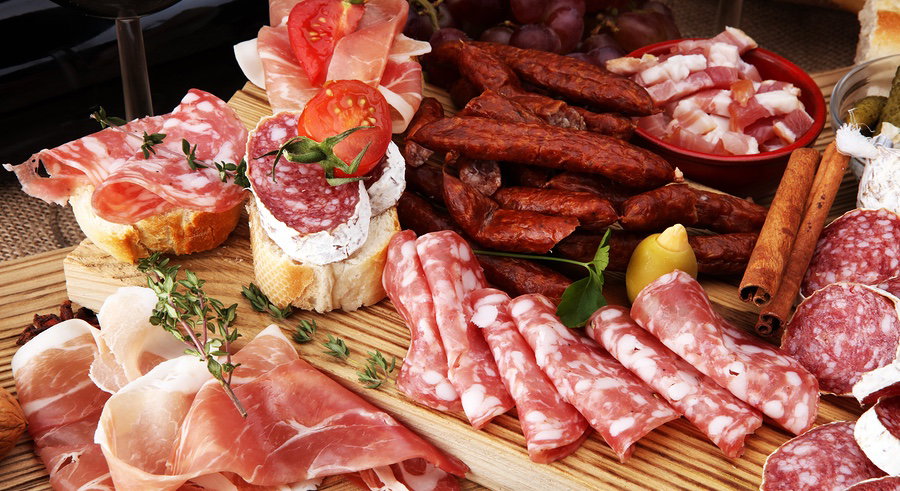
The average amount of sodium recommended is 1500mg, but some exceed the advice. Some high sodium content foods include dried meats, salami, and cured meat.
Canned goods
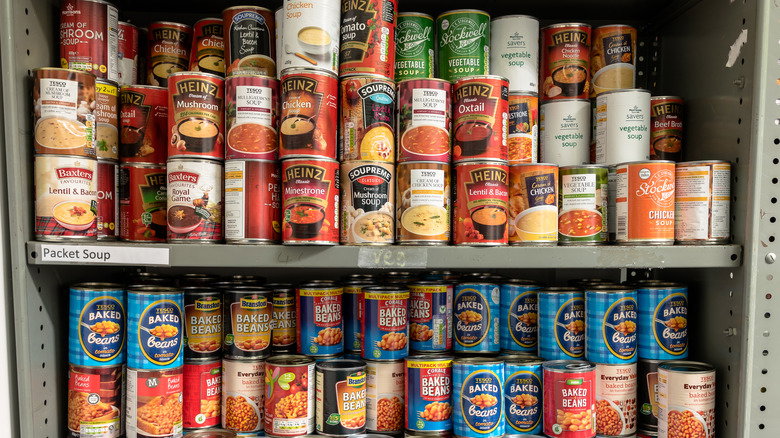
Many people considered this as a less sodium option, but some canned foods still have high sodium content in it. For a healthier option, less than 120mg is recommended and “no salt added” choice.
Frozen meals
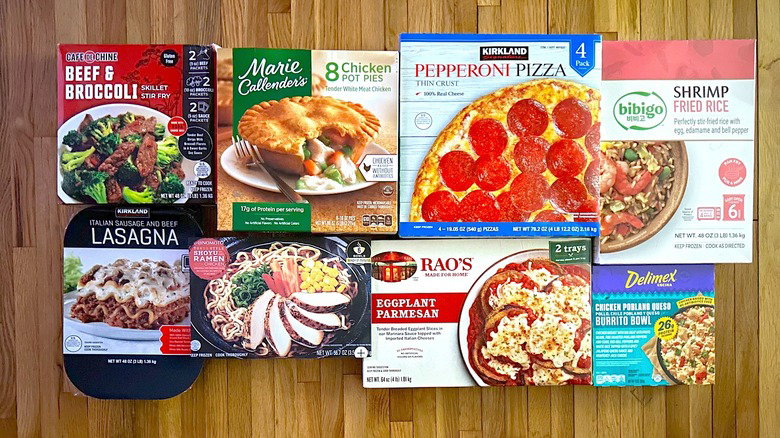
Have high sodium levels, exceeding 1,000mg. Some meals marked as “healthy” can have high sodium and the recommended level is less than 600mg.
Savory snacks
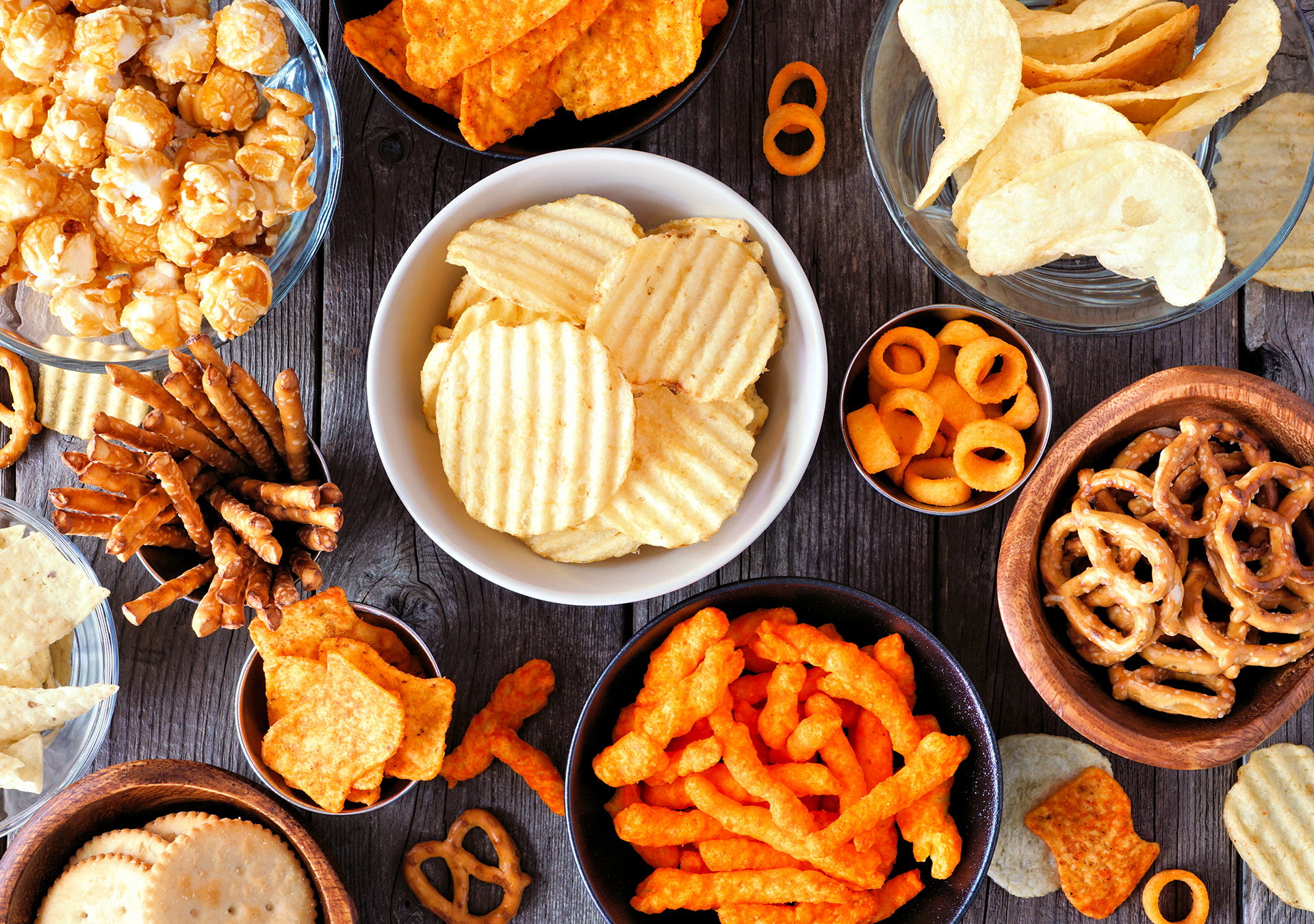
High in sodium, with most exceeding 15% of the daily suggested value.
Cheeses
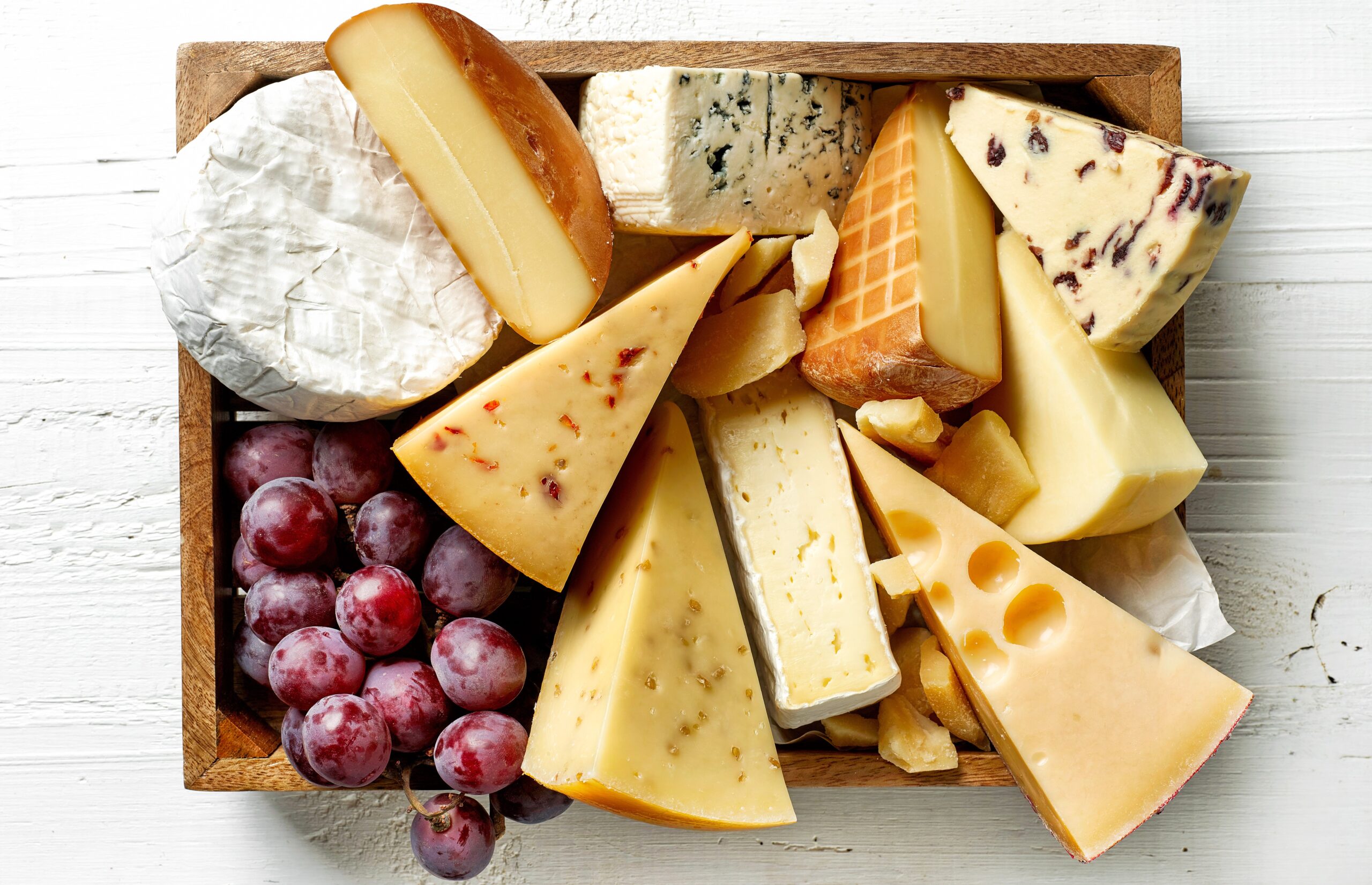
High in sodium, such as processed, parmesan, feta, and blue cheese.
Sauces and dressings
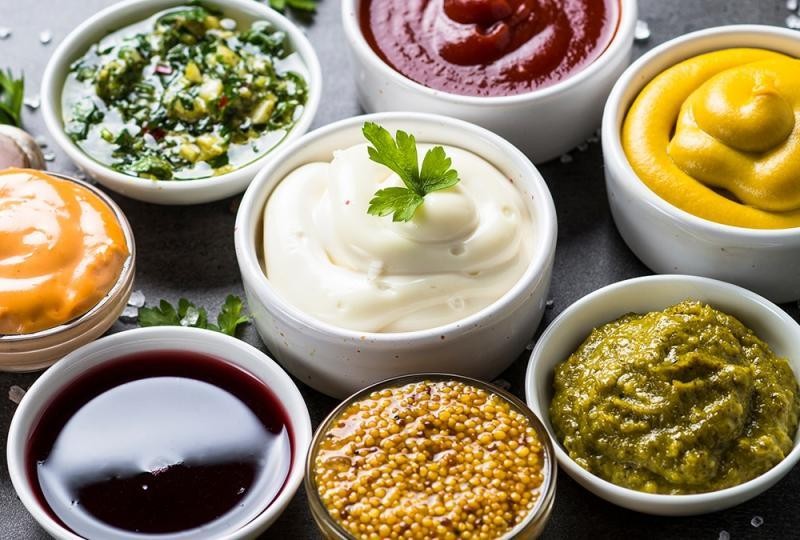
High sodium content in fish sauce, soy sauce, oyster sauce, BBQ sauce, teriyaki sauce, and substantially more.
In summary, salt is a common ingredient in many cuisines and used for seasoning foods for more sophisticated and rich flavors. Nonetheless, this ordinary ingredient can still be high risk and hazardous to your health, especially if the percentage of sodium in your meals are high and excessive. It can lead you to a variety of health problems such as high blood pressure, heart disease, stroke, cardiovascular disease, and numerous other diseases which can bring upon death.
So whenever you’re dining on such a tasty dish, make sure to check out the nutritional content for any unpleasant and unusual ingredients hidden out there, or cook your own meals for a healthier option.
